Funny Light Bulb Embroidery Design: A Practical Evaluation
The Funny Light Bulb machine embroidery design represents a specific niche within the broader world of textile arts, blending whimsical iconography with technical stitching precision. For crafters, hobbyists, and small business owners, selecting the right design is often as critical as choosing the correct thread or fabric. This article evaluates the Funny Light Bulb pattern to help you determine if it aligns with your specific project goals, technical capabilities, and aesthetic preferences.
Understanding the Design Concept
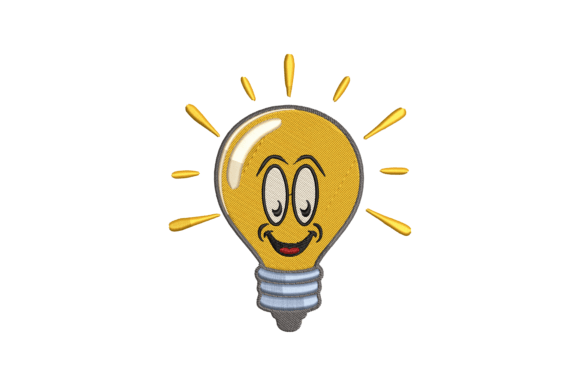
At its core, the Funny Light Bulb is a digital file intended for use with computerized embroidery machines. Unlike traditional hand-stitched motifs that rely on freeform creativity, this design utilizes pre-programmed stitch counts, underlay structures, and color changes to replicate a cartoonish or stylized light bulb. The "funny" aspect typically refers to the anthropomorphic features often included in such designs, such as expressive eyes, mouths, or limbs attached to the classic bulb shape.
This design serves as a versatile element that can transform plain textiles into personalized items. It is not merely a decorative afterthought but a structured graphic that requires specific setup parameters to render correctly. Understanding the mechanics of how the design translates from a digital screen to physical thread is essential for anyone considering its purchase or download.
Reasons to Consider This Design
Several factors might lead a crafter to evaluate the Funny Light Bulb for their next project. Primarily, the design offers a distinct visual identity that separates finished goods from generic mass-produced items. In a market saturated with floral patterns and standard geometric shapes, a character-based motif like a light bulb provides immediate visual interest.
Furthermore, the theme of a light bulb is inherently associated with ideas, innovation, and brightness. This makes the design particularly suitable for:
- Educational Materials: T-shirts or tote bags for teachers, students, or STEM-related events.
- Home Decor: Pillowcases or napkins that add a playful touch to a study or office space.
- Gift Items: Personalized clothing for inventors, engineers, or creative professionals who appreciate humor.
The versatility of the design allows it to function well across different contexts, provided the scale and color palette are adjusted to match the surrounding environment.
Benefits and Technical Advantages
One of the primary benefits of using a machine embroidery file like the Funny Light Bulb is consistency. Once the hoop is set and the machine is running, every replica will be identical, which is crucial for those producing multiple items for sale or event swag. The design typically comes in multiple file formats (such as .PES, .DST, .JEF, or .EXP), ensuring compatibility with a wide range of major embroidery machine brands.
Additionally, the intricate details mentioned in product descriptions often translate to high-density stitching areas that create a textured, professional look. When executed correctly on stable fabrics like cotton or linen, the raised stitches can add a tactile dimension that flat printing cannot achieve. The ability to apply this design to silk or other delicate fabrics is also a significant advantage, though it requires careful handling during the hooping process.
Tradeoffs and Considerations
While the Funny Light Bulb offers clear aesthetic advantages, there are tradeoffs to consider before committing to the project. The complexity of the design may require a higher stitch count than simpler motifs, leading to longer production times. For those working on tight deadlines, the time required to stabilize, hoop, and stitch the design must be factored into the workflow.
Another consideration is fabric suitability. While the design is marketed as versatile, applying intricate embroidery to very stretchy or sheer fabrics can result in puckering or distortion if the wrong stabilizer is used. The weight of the thread and the density of the fill stitches can sometimes overwhelm lightweight materials, necessitating a test run on a scrap piece of the same fabric before starting the final product.
Cost is also a factor. High-quality embroidery threads and stabilizers are consumables that add up, especially when creating multiple items. If the end goal is a low-cost promotional item, the labor and material costs of machine embroidery might exceed the budget compared to screen printing or heat transfer vinyl.
When Is This Design a Strong Fit?
The Funny Light Bulb design is an excellent choice when the project prioritizes durability and texture. Embroidered designs generally outlast printed graphics, making them ideal for items that will undergo frequent washing, such as work uniforms, school spirit wear, or everyday household linens.
It is also a strong fit for projects requiring a premium feel. The tactile nature of embroidery conveys a sense of quality that can justify a higher price point for handmade goods. If your goal is to elevate a basic garment into a boutique-style item, the detailed stitching of this design contributes significantly to that perception.
When Alternatives May Be Preferable
There are scenarios where the Funny Light Bulb embroidery design may not be the optimal solution. If the project involves extremely fine details that would require a stitch count beyond the capability of your machine, the result may appear muddy or lose definition. In such cases, a sublimation print or a high-resolution digital print might capture the nuances better.
Furthermore, if the target audience prefers a minimalist or flat aesthetic, the raised texture of embroidery might clash with the desired style. For large-scale production runs where speed is the primary metric, screen printing or direct-to-garment (DTG) printing often offers a faster turnaround time at a lower per-unit cost.
Practical Decision-Making Insights
To determine if the Funny Light Bulb aligns with your needs, evaluate your current equipment and skill level. Ensure your embroidery machine has enough memory to load the file and that your hoops can accommodate the design's dimensions without cutting off edges. Always review the stitch preview in your software to check for potential issues like long jump stitches or dense fill areas that might cause thread breaks.
Consider the end-use of the item. If it is a one-off gift, the time investment in setting up the embroidery is likely worthwhile for the unique result. However, for a bulk order, calculate the total hours required to hoop and stitch each piece against the potential profit margin. Testing the design on a sample of the intended fabric is non-negotiable; this step reveals whether the chosen stabilizer and tension settings will yield a clean, professional finish.
Ultimately, the Funny Light Bulb is a tool that can enhance a variety of textile projects, but its success depends on matching the design's requirements with the appropriate materials and techniques. By weighing the benefits of durability and texture against the considerations of time and cost, you can make an informed decision that ensures your final product meets your expectations.