Forevern Ever Font: A Practical Evaluation for Embroidery Designers
When selecting typography for machine embroidery, the choice of font often dictates the final aesthetic and technical success of a project. The Forevern Ever Font has emerged as a significant option for those seeking to personalize fabric with names, dates, or short quotes. Unlike standard digital typefaces that require complex digitization before use, this high-quality embroidery font is pre-engineered for stitching, offering a streamlined workflow for hobbyists and professionals alike. However, like any specialized tool, it serves specific needs better than others. Understanding its distinct characteristics, file compatibility, and comparative advantages is essential for making an informed decision about whether it fits your design portfolio.
Defining the Forevern Ever Font Experience
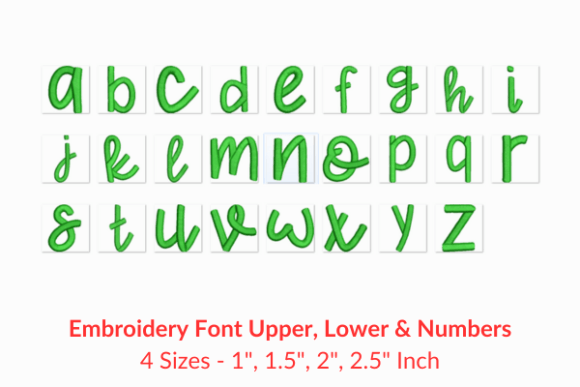
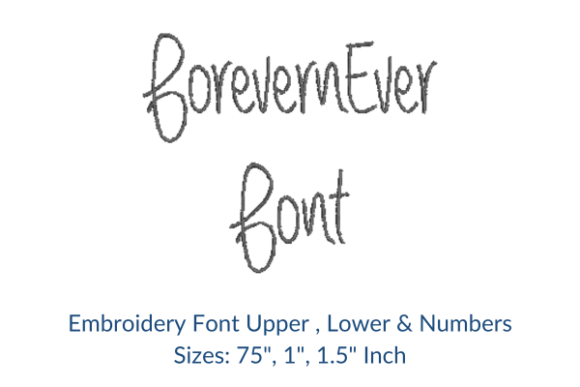
The primary distinction of the Forevern Ever Font lies in its dual nature as both a visual typeface and a functional machine code set. In the realm of embroidery, fonts are not merely shapes; they are sequences of stitch instructions. This font is designed to maintain legibility and structural integrity across various stitch types, ensuring that letters do not collapse or become indistinct when rendered on textured fabrics. Its design philosophy prioritizes clarity without sacrificing style, making it particularly effective for monograms, commemorative dates, and personalized gifts where readability is paramount.
What sets this resource apart from generic script fonts found in general design software is the inclusion of multiple embroidery file formats within a single package. Machine embroidery relies heavily on proprietary file extensions—such as .PES, .DST, .JEF, and .EXP—depending on the brand of the embroidery machine being used. The Forevern Ever Font addresses the common friction point of format incompatibility by providing these variations out of the box. This eliminates the need for users to purchase third-party conversion tools or risk errors during the translation process, which can often lead to skipped stitches or distorted lettering.
Comparative Analysis: Script vs. Block Styles
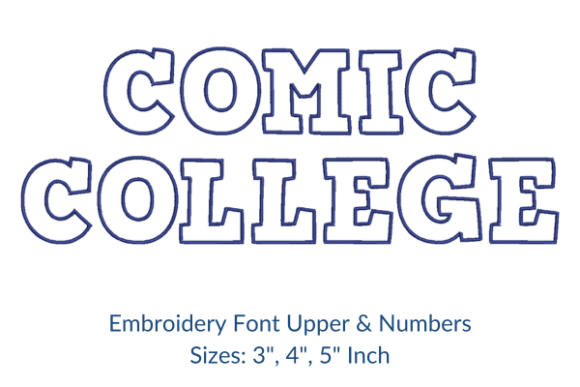
To evaluate the utility of the Forevern Ever Font, it is helpful to compare it against other prevalent styles in the embroidery market. Typography in embroidery generally falls into two broad categories: block/sans-serif styles and script/cursive styles. Block fonts are robust and highly legible, often preferred for corporate logos or large text on uniforms. Conversely, script fonts offer elegance and fluidity but can be technically challenging due to their intricate curves and varying stroke widths.
The Forevern Ever Font occupies a middle ground that leans toward the decorative yet remains structurally sound. When compared to rigid block fonts, it offers a softer, more personal touch suitable for baby items, wedding linens, and home decor. However, unlike some overly ornate script fonts that may struggle on thick fabrics like denim or fleece, this font maintains a balanced stitch density. This balance is crucial because overly dense areas can cause puckering, while sparse areas may result in visible gaps between stitches. For designers weighing options, the Forevern Ever Font presents a practical compromise between artistic flair and mechanical reliability.
Evaluation of File Formats and Machine Compatibility
A critical factor in choosing an embroidery font is the breadth of its file support. Many free or low-cost fonts come in a single format, limiting their use to specific machine brands. The Forevern Ever Font distinguishes itself by including a comprehensive suite of formats. This inclusivity means that a user with a Brother machine can utilize the same design asset as a colleague using a Janome or Pfaff system without additional processing.
In a professional setting where time is a billable resource, this versatility translates directly to efficiency. Rather than maintaining separate libraries for different clients' equipment, a studio can adopt a unified asset library. However, users should still verify that their specific machine model supports the latest version of the provided formats, as older machines may have limitations on hoop sizes or stitch counts per design. While the font covers most modern standards, legacy systems might require careful testing before full-scale production.
Strengths and Tradeoffs in Real-World Applications
Every design tool comes with inherent tradeoffs, and the Forevern Ever Font is no exception. Its greatest strength is its readiness for immediate use. The pre-digitized nature of the font allows for rapid prototyping. If a client requests a name change on a towel or a date update on a quilt label, the designer can adjust the text in their software and send it to the machine almost instantly. This agility is a significant advantage over custom digitizing, which requires manual node placement and extensive testing.
However, this convenience comes with limitations regarding customization. Because the font is pre-set, altering the internal structure of a letter—such as changing the stitch direction or adjusting the underlay specifically for a difficult fabric—is not possible without advanced editing skills. Users who require precise control over every stitch for high-end fashion applications might find the fixed parameters restrictive. In such cases, hiring a professional digitizer to create a bespoke font might yield superior results, albeit at a higher cost and longer turnaround time.
Furthermore, while the font performs well on medium-weight fabrics, extreme textures may present challenges. On very loose knits or extremely dense wools, even the best-prepared fonts may require stabilizer adjustments or tension tweaks. The Forevern Ever Font provides a solid foundation, but it does not replace the need for proper material preparation and machine calibration.
Determining the Right Fit for Your Projects
Deciding whether the Forevern Ever Font is the right choice depends largely on the scope and nature of your projects. It is an ideal solution for small business owners producing personalized goods, such as embroidered hats, tote bags, and baby blankets. The ability to quickly generate unique designs for individual customers makes it a powerful asset for e-commerce and local craft markets. Similarly, hobbyists who want to add a professional touch to home sewing projects will appreciate the ease of use and the variety of included formats.
Conversely, if your work involves large-scale industrial embroidery where thousands of identical items are produced daily, the marginal benefits of this specific font may be less pronounced. In high-volume scenarios, companies often invest in custom digitized assets optimized specifically for their production line's speed and fabric type. Additionally, if your primary focus is on bold, graphic text rather than cursive or decorative lettering, a dedicated block-style font library might serve your aesthetic goals better.
Practical Scenarios for Implementation
- Wedding and Event Personalization: The elegant flow of the Forevern Ever Font makes it perfect for guest towels, bridal party robes, and commemorative napkins. The ability to easily input names and dates streamlines the ordering process for event planners.
- Small Batch Custom Apparel: For boutiques selling limited-run clothing, this font allows for quick turnaround on custom orders. The multi-format support ensures that regardless of the client's preferred garment care or machine setup, the design remains consistent.
- Home Decor Accents: Adding a family name to a pillow sham or a quote to a kitchen towel is straightforward with this tool. The stitch quality holds up well on cotton blends commonly used in home textiles.
Conclusion: Weighing the Decision Factors
The Forevern Ever Font represents a practical bridge between creative expression and technical execution in machine embroidery. By offering high-quality stitching patterns across multiple file formats, it removes many of the barriers that typically slow down the personalization process. It is particularly well-suited for those who value efficiency and versatility without needing to master the complexities of manual digitizing.
However, it is not a universal solution. Designers working with extreme fabrics, requiring absolute control over stitch architecture, or operating in high-volume industrial environments may need to look beyond pre-made fonts. Ultimately, the decision to adopt this font should be based on a clear assessment of your current workflow, the types of fabrics you frequently use, and the level of customization your clients expect. For the majority of adults aged 20–50 exploring the world of personalized textile design, the Forevern Ever Font offers a reliable, efficient, and aesthetically pleasing option that enhances the final product while simplifying the creation process.