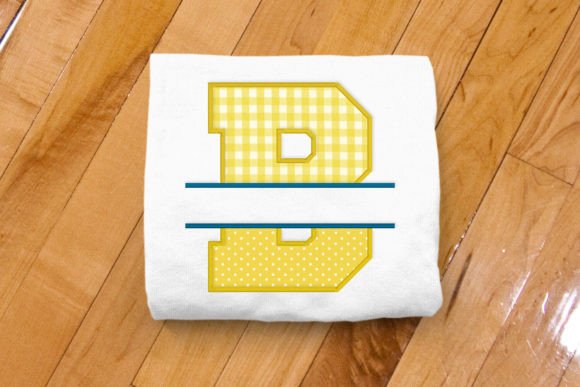
Varsity Letter B Split Applique: A Practical Evaluation
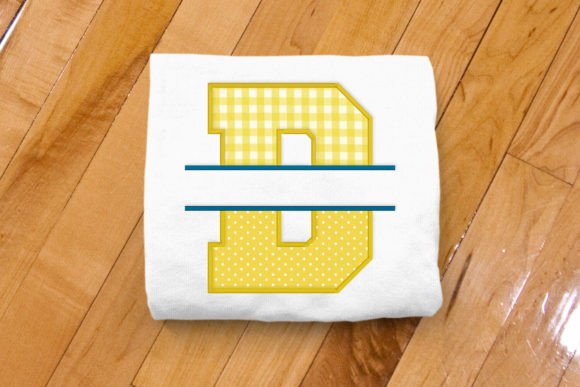
The Varsity Letter B Split Applique is a digital machine embroidery design characterized by its collegiate-style typography and a distinct structural feature: a horizontal division in the center of the letter. This split creates a dedicated space for inserting personalized text, such as a name or graduation year, while the upper and lower sections of the "B" serve as the primary visual anchors. Unlike standard single-layer embroidery, this design utilizes appliqué techniques, requiring fabric pieces to be layered and stitched down to create a textured, durable finish. Understanding the mechanics, requirements, and specific use cases of this design is essential for anyone considering it for personal projects or small-scale production.
Understanding the Design Structure and Functionality
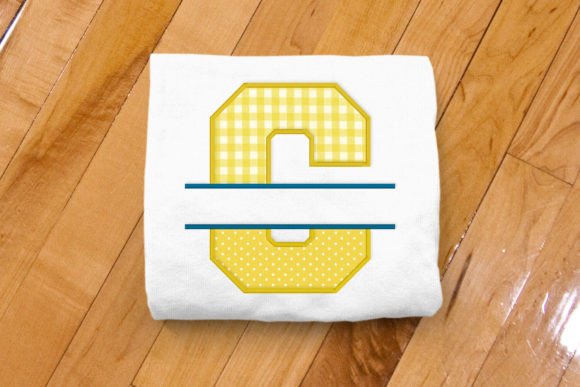
At its core, the Varsity Letter B Split Applique is a file-based product intended for computerized embroidery machines. It is not a physical item but a set of digital instructions that guide the needle to create the design on fabric. The "split" aspect is the defining characteristic that differentiates it from solid block letters. By separating the top and bottom halves of the letter, the design offers a functional area for customization without disrupting the overall symmetry of the varsity font.
This design supports color versatility. The top and bottom appliqué areas can be executed in a single uniform color for a classic look, or they can utilize two distinct fabrics and thread colors. This flexibility allows users to match specific school colors, team palettes, or personal preferences. For example, a user might choose navy blue for the top section and gold for the bottom, with white thread outlining the shapes to enhance contrast. The digital file includes multiple size options ranging from 95 mm to 195 mm, ensuring the design can scale appropriately for various garment types, from small hat brims to large jacket backs.
Reasons for Interest and Target Applications
Several factors drive interest in the Varsity Letter B Split Applique. Primarily, it appeals to individuals involved in school spirit, athletics, and commemorative events. Students often seek this design for letterman jackets, while graduates may use it for caps or keepsake items. Sports fans also find value in the design for customizing apparel that represents their allegiance to a specific team or institution.
The ability to insert a name within the split makes it particularly attractive for personalization. In an era where mass-produced merchandise is common, the capacity to add a unique identifier transforms a generic item into a bespoke piece. Furthermore, the appliqué style provides a professional, high-end aesthetic that mimics traditional collegiate wear. The raised texture of the fabric layers adds depth and durability, which is often preferred over flat satin stitch designs for heavy-use items like uniforms or outerwear.
Benefits, Tradeoffs, and Technical Considerations
Evaluating the benefits of this design requires looking at both the visual outcome and the production process. The primary benefit is the professional appearance achieved through appliqué. The fabric layers provide a substantial feel that stands up well to washing and wear. Additionally, the inclusion of eight industry-standard file formats (DST, EXP, HUS, JEF, PEC, PES, VP3, XXX) ensures compatibility with a wide range of embroidery machines, reducing the barrier to entry for hobbyists and professionals alike.
However, there are tradeoffs to consider. Appliqué is inherently more time-consuming than standard embroidery because it involves multiple steps: stabilizing the base fabric, stitching a temporary tack-down outline, cutting away excess fabric, placing the appliqué material, and then stitching the final decorative edge. This multi-step process increases the risk of errors if the operator is inexperienced. Misalignment during the fabric placement phase can ruin the design, leading to wasted materials and time.
Another critical consideration is the technical requirement regarding color changes. The stitching order for the Varsity Letter B Split Applique is separated by color changes. Users must configure their machines to stop for these changes rather than using automatic color sorting features that combine steps. If a user has a multi-needle machine, it must be set to pause for manual intervention to change threads or reposition fabric. Ignoring this instruction can result in a flawed stitch-out where the sequence is disrupted, potentially causing the appliqué layers to shift or fail to adhere correctly.
Situations Where the Design Is a Strong Fit
The Varsity Letter B Split Applique is an excellent choice when the project demands a traditional collegiate aesthetic with a high degree of customization. It is particularly well-suited for:
- Letterman Jackets: The durability of appliqué makes it ideal for the heavy wool or leather fabrics commonly used in varsity jackets.
- Graduation Memorabilia: The split allows for the addition of a graduation year or name, making it perfect for caps, sashes, or commemorative pillows.
- Team Uniforms: When matching specific team colors is necessary, the dual-color capability of the top and bottom sections offers precise control over the palette.
- Custom Gifts: For individuals who want to create a one-of-a-kind gift for a student-athlete, the personalization options add significant sentimental value.
In scenarios where the user has access to a capable embroidery machine and possesses intermediate sewing skills, this design delivers a superior result compared to iron-on transfers or screen printing.
When Alternatives May Be Worth Considering
Despite its advantages, the Varsity Letter B Split Applique is not the optimal solution for every situation. Users should consider alternatives if:
- Speed is a Priority: If the project requires rapid turnaround, the multi-step appliqué process may be too slow. Single-layer embroidery or printed transfers would be faster to produce.
- Budget Constraints Exist: Appliqué consumes more fabric and thread than simple stitch designs. For large-scale production runs, the material costs can accumulate quickly.
- Fabric Limitations: Some delicate or stretchy fabrics may not support the weight and rigidity of appliqué layers. In such cases, a flat embroidery design might prevent puckering or distortion.
- Lack of Technical Expertise: Beginners who are unfamiliar with stabilizers, cutting techniques, and machine threading sequences may struggle with the precision required for appliqué. A simpler design without fabric layering would reduce the learning curve.
Practical Decision-Making Insights
Before purchasing the Varsity Letter B Split Applique file, potential buyers should assess their equipment and skill level against the design's requirements. It is crucial to verify that the embroidery machine supports the included file formats and has sufficient hoop space for the largest size option (195 mm). Additionally, users must ensure they have the necessary tools, including appropriate stabilizers, sharp scissors for trimming appliqué edges, and the correct thread types for the chosen fabrics.
It is also important to manage expectations regarding the output. The listing explicitly states that the purchase includes only the digital file, not a physical stitch-out. The sample images serve as demonstrations of what is possible, but the final result depends entirely on the quality of the materials used and the operator's technique. Any additional items shown in promotional images, such as specific ribbons or buttons, are not included unless specified.
Ultimately, the decision to use the Varsity Letter B Split Applique should be based on a clear understanding of the desired aesthetic and the willingness to invest the time and effort required for high-quality appliqué work. For those seeking a durable, customizable, and authentic collegiate look, this design offers a robust solution. However, for those prioritizing speed, simplicity, or working with unsuitable fabrics, exploring alternative embroidery styles may yield better results.