Varsity Number 7 Applique Embroidery: A Practical Guide for Creators and Professionals
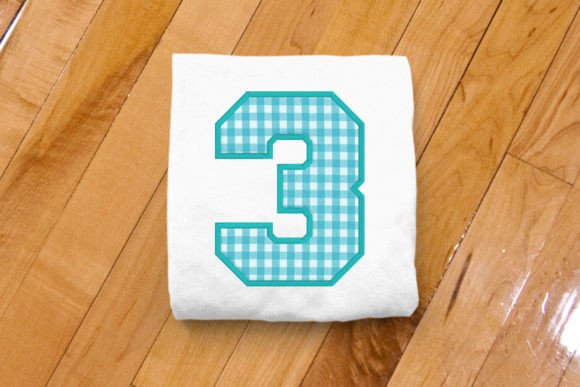
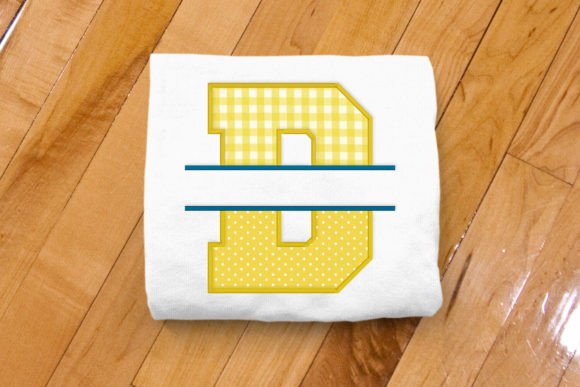
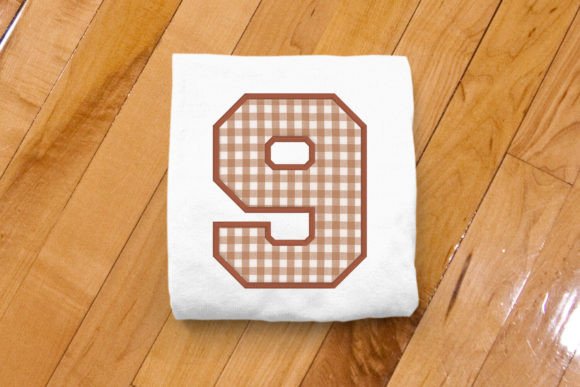
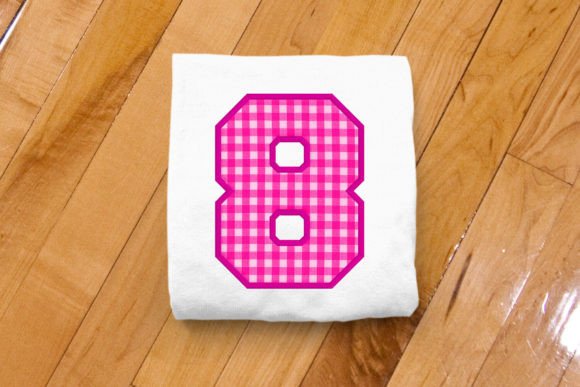
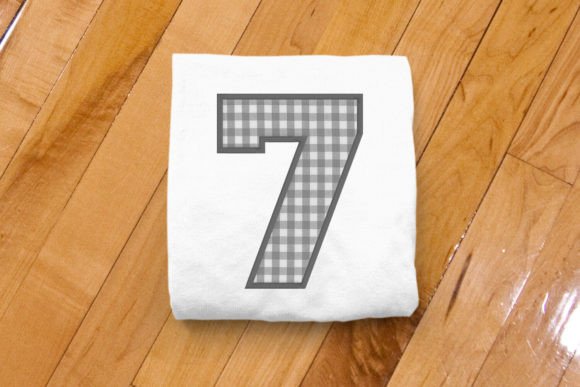
In the world of custom apparel and textile design, precision and aesthetic appeal are non-negotiable. The Varsity Number 7 Applique Embroidery design represents more than just a digitized image; it is a functional asset that fits into a broader workflow for small business owners, hobbyists, and professional embroidery operators. This specific design features the number 7 rendered in classic athletic or collegiate-style lettering, offering a versatile element that appeals to students, graduates, athletes, and sports fans alike. For those managing production schedules or curating personal creative projects, understanding how to integrate this asset effectively can streamline operations and enhance final product quality.
Understanding the Design and Its Workflow Role
The Varsity Number 7 Applique Embroidery is not merely a standalone graphic but a component within a larger manufacturing or customization process. Applique differs from standard embroidery because it involves stitching a separate piece of fabric onto the base garment before adding the decorative stitching on top. This technique adds texture, depth, and durability, making it ideal for items like varsity jackets, team jerseys, and commemorative caps. When planning a project, this design serves as a focal point that dictates material selection, stabilizer choice, and machine settings.
For professionals, the inclusion of this design often marks a critical decision point in the production pipeline. Before the needle ever touches the fabric, the creator must assess the compatibility of the design with the intended substrate. Is the project a heavy-duty polyester jersey requiring high-density stitching, or a lightweight cotton hoodie where breathability is key? The Varsity Number 7 design, with its bold collegiate font, is particularly effective on structured fabrics. Understanding these variables early prevents wasted time and materials, ensuring that the execution phase runs smoothly.
Preparation and Compatibility in the Production Cycle
Successful implementation begins long before the embroidery machine is powered on. Preparation is the most vital phase when working with applique designs. The Varsity Number 7 Applique Embroidery comes with multiple file formats, a feature that significantly enhances its utility across different hardware ecosystems. Whether you operate a Brother, Janome, Bernina, or Tajima machine, having access to compatible formats such as .PES, .DST, .JEF, or .EXP ensures that the design can be imported without conversion errors.
Workflow efficiency relies heavily on organizing these digital assets. Entrepreneurs and freelancers should maintain a structured library where files are tagged by style, size, and application type. When a client requests a custom jersey with the number 7, retrieving the correct file format instantly saves valuable minutes. Furthermore, checking the stitch count and hoop size requirements during the pre-production stage allows for accurate quoting and scheduling. If the design requires a large hoop, it may impact batch processing times, a factor that must be accounted for in the overall project timeline.
Selecting Materials and Stabilizers
The physical execution of the Varsity Number 7 Applique Embroidery demands careful material selection. Unlike flatwork embroidery, applique requires two layers of fabric: the background garment and the overlay fabric. The contrast between these layers defines the visual impact. For a traditional collegiate look, using a wool-blend felt overlay on a twill jacket creates an authentic vintage aesthetic. Conversely, matching the overlay color to the garment with a tonal thread creates a subtle, modern effect suitable for corporate team wear.
Stabilization is equally critical. Because applique involves cutting away excess fabric, the stabilizer must hold the overlay firmly in place while allowing for clean trimming. Heat-away or tear-away stabilizers are commonly used depending on the fabric weight. Testing the design on a scrap piece of the actual garment fabric is a best practice that cannot be overstated. This trial run reveals potential issues with tension, registration, or fabric distortion before committing to a full production run. This step is essential for maintaining quality control and avoiding costly reworks.
Integration into Business and Creative Processes
For small business owners and marketers, the Varsity Number 7 Applique Embroidery offers a strategic tool for product differentiation. In a saturated market, unique, high-quality details set products apart. This design can be integrated into seasonal collections, such as back-to-school merchandise for graduating seniors or limited-edition fan gear for local sports teams. By batching orders that utilize similar design elements, businesses can optimize their production flow. For instance, running all applique jobs in one session reduces setup time for hooping and fabric preparation, thereby increasing overall throughput.
Creative professionals and educators can also leverage this design to teach fundamental principles of textile art. It serves as an excellent case study for discussing typography in three dimensions, color theory, and the mechanics of multi-step embroidery processes. In a workshop setting, participants can learn how to manipulate the design parameters—such as scaling the number or adjusting the thread colors—to suit specific brand guidelines or personal preferences. This educational application transforms a simple digitized file into a learning resource that bridges the gap between digital design and physical craftsmanship.
Collaboration and Client Communication
When working with clients, clarity regarding the capabilities of the Varsity Number 7 Applique Embroidery is essential. Clients often have a vision but lack technical knowledge about what is feasible. Presenting mockups that accurately reflect the texture and layering of applique helps manage expectations. Explaining that the design includes multiple file formats reassures clients who may use different equipment or who require the design for future modifications.
Furthermore, this design facilitates collaboration between designers and manufacturers. A designer might create a concept for a team uniform, specifying the collegiate number 7 as a central motif. The manufacturer then utilizes the provided embroidery files to execute the vision. Clear communication channels ensure that the digital file translates correctly to the physical product. Discussing placement options—whether centered on the chest, on the sleeve, or on the back of a cap—allows for a collaborative approach that satisfies both aesthetic goals and functional requirements.
Optimizing Efficiency and Long-Term Value
Efficiency in embroidery production is often measured by the balance between speed and quality. The Varsity Number 7 Applique Embroidery is designed to strike this balance. Its clean lines and defined edges minimize the risk of puckering or misalignment, which are common pitfalls in complex applique work. By choosing a well-digitized design, operators reduce the need for manual intervention during the stitching process, allowing for unattended operation on some machines.
Long-term value is another significant consideration. High-quality digitized files do not degrade over time. Investing in a robust design like this one means it can be reused across multiple seasons and projects. As trends shift, the classic collegiate style remains timeless, ensuring that the design remains relevant. For entrepreneurs, this longevity translates to a better return on investment. The ability to scale the design for different garment sizes without losing definition adds to its versatility, making it a staple asset in any embroidery studio's portfolio.
Quality Control and Consistency
Maintaining consistency across a batch of embroidered items is crucial for brand reputation. When producing multiple units featuring the Varsity Number 7 Applique Embroidery, establishing a strict quality control protocol is necessary. This involves inspecting the first sample for proper alignment, secure stitching, and clean cut edges. Once the perfect sample is achieved, documenting the machine settings and material choices ensures that subsequent pieces match the standard.
Regular maintenance of the embroidery machine also plays a role in consistent output. Clean needles, properly threaded bobbins, and calibrated tension contribute to the flawless execution of applique designs. Neglecting these aspects can lead to skipped stitches or uneven fabric cuts, which detract from the professional appearance of the final product. By integrating routine checks into the daily workflow, creators can prevent defects and maintain high standards of craftsmanship.
Conclusion on Implementation Strategy
The Varsity Number 7 Applique Embroidery is a powerful tool that, when understood and applied correctly, enhances both creative expression and operational efficiency. From the initial planning stages involving material selection and file management to the final execution and quality assurance, every step of the process contributes to a successful outcome. Whether used for commercial production, educational purposes, or personal hobbies, this design exemplifies the intersection of digital precision and tactile artistry.
By focusing on preparation, compatibility, and systematic integration, users can maximize the potential of this asset. The availability of multiple file formats ensures broad accessibility, while the classic aesthetic guarantees enduring appeal. Ultimately, the value of the design lies not just in its visual appearance but in how seamlessly it fits into the workflows of professionals and enthusiasts alike. Embracing these practical strategies allows creators to deliver superior results, build stronger client relationships, and achieve greater productivity in their embroidery endeavors.