The Typewriter Font: A Vintage Standard for Modern Machine Embroidery
In the evolving landscape of textile customization, few aesthetic choices carry as much historical weight and immediate visual recognition as the typewriter font. This distinctive style, characterized by its monospaced alignment and slightly distressed edges, evokes a sense of nostalgia while offering a clean, legible solution for modern design challenges. When applied to machine embroidery, this high-quality embroidery font transforms ordinary fabric into personalized artifacts. Whether you are a professional embroiderer looking to expand your catalog or a hobbyist wishing to add a personal touch to home decor, understanding the nuances of this specific typeface is essential for achieving professional results.
The Aesthetic Appeal of Monospaced Lettering in Textiles
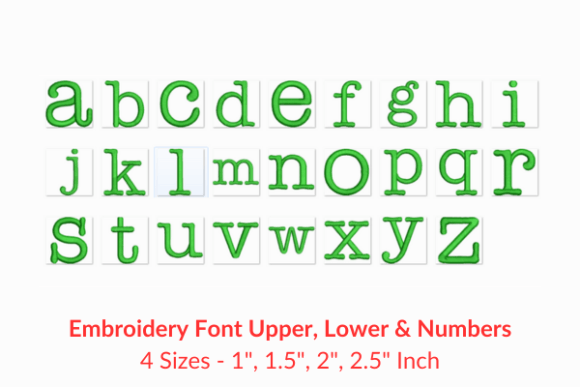
The primary allure of using a typewriter font in embroidery lies in its unique structural integrity. Unlike proportional fonts where the width of each character varies based on its shape, a typewriter font assigns equal space to every letter, number, and symbol. This uniformity creates a rhythmic visual pattern that is particularly striking when stitched onto fabric. The slight irregularities often found in digital representations of typewriter text mimic the imperfections of vintage mechanical typing, adding a layer of authenticity and warmth that sleek, modern sans-serif fonts often lack.
For designers working with natural fibers like linen, canvas, or denim, this style complements the texture of the material perfectly. The "stamped" look of the letters integrates seamlessly with the weave of the cloth, making the text appear as though it has been part of the garment since its creation. This characteristic makes the typewriter font an excellent choice for projects requiring a rustic, industrial, or vintage vibe. It bridges the gap between digital precision and handcrafted charm, allowing creators to produce work that feels both contemporary and timeless.
Visual Hierarchy and Readability
Beyond mere aesthetics, the typewriter font offers significant advantages in terms of readability. In the world of machine embroidery, clarity is paramount. Small text can easily become illegible if the stitch density is too high or if the font features overly complex serifs. The blocky, straightforward nature of typewriter characters ensures that names, dates, and short quotes remain crisp and clear, even at smaller scales. This makes it an ideal selection for labeling, monogramming, and adding subtle details to accessories where space is limited but information must be conveyed effectively.
Furthermore, the consistent spacing allows for predictable layout planning. Designers can estimate the length of a phrase with greater accuracy than with variable-width fonts, reducing the need for extensive trial and error during the digitizing process. This predictability streamlines the workflow, allowing professionals to quote jobs more accurately and deliver finished products faster. For educators teaching embroidery classes, this consistency also provides a reliable framework for students learning how to manipulate text within their design software.
Practical Applications Across Industries
The versatility of this machine embroidery design extends far beyond simple home sewing projects. Its adaptability allows it to serve a wide range of industries, from fashion and corporate branding to event planning and educational institutions. By leveraging multiple embroidery file formats, users can deploy this font across various machines and production scales, ensuring that the design intent remains intact regardless of the equipment used.
Fashion and Apparel Customization
In the fashion industry, personalization is a key driver of consumer engagement. Brands and boutique owners frequently utilize the typewriter font to create custom labels, patch designs, and direct-to-garment embellishments. Imagine a denim jacket featuring a small, discreet date stitched on the inside collar, or a tote bag bearing a witty quote in bold, black thread. These elements add value to the product without overwhelming the overall design. The font's neutral tone allows it to work with virtually any color palette, making it a staple for businesses that offer made-to-order services.
Moreover, the font is particularly effective for creating "storytelling" garments. Parents often commission pieces for children that include birth dates and names, turning clothing into cherished heirlooms. The typewriter style gives these sentimental items a classic, journal-like quality, as if the child's history is being recorded directly onto the fabric. This emotional connection drives repeat business and fosters strong brand loyalty among consumers who value unique, personalized experiences.
Corporate Branding and Uniforms
Businesses also find immense value in this font for corporate uniforms and promotional merchandise. While many companies opt for bold, modern logos, there is a growing trend toward understated elegance. A company name or employee ID stitched in a typewriter font on a chef's apron, a mechanic's vest, or a receptionist's blazer conveys professionalism and attention to detail. It suggests a brand that respects tradition while embracing functionality.
Additionally, the font is highly effective for creating commemorative patches for events, conferences, and team-building activities. Because the design comes with multiple embroidery file formats, it can be easily adapted for different hoop sizes and machine capabilities. Event organizers can quickly generate badges or patches that feature attendee names and session dates, ensuring that every participant receives a personalized memento. The ability to use this design with multiple embroidery machines further simplifies logistics for large-scale productions.
Educational and Institutional Use
For schools, libraries, and research institutions, the typewriter font serves as a practical tool for organizing and identifying materials. Bookmarks, library card holders, and student name tags benefit greatly from the font's clarity and simplicity. Educators can use this design to create classroom decorations or awards that feel academic and distinguished. The font's association with writing and documentation makes it thematically appropriate for environments focused on learning and knowledge preservation.
Researchers and archivists may also utilize this style for labeling delicate textiles or historical artifacts where minimal intrusion is required. The fine lines and moderate stitch count typical of this font reduce the risk of damaging fragile fabrics, making it a responsible choice for conservation efforts. By selecting a high-quality version of the font, institutions ensure that their labeling is durable enough to withstand handling while remaining visually unobtrusive.
Technical Considerations for Implementation
While the typewriter font offers numerous benefits, successful implementation requires an understanding of technical factors related to digitizing and stitching. The transition from a digital image to physical thread involves several variables that can impact the final outcome. Professionals and hobbyists alike should consider these aspects to maximize the quality of their work.
File Formats and Compatibility
One of the most critical features of this machine embroidery design is its availability in multiple embroidery file formats. Different embroidery machines require specific file types, such as .PES, .DST, .JEF, or .XXX. Having access to a comprehensive set of formats ensures that the design can be utilized across a wide range of equipment, from entry-level home machines to industrial multi-head systems. This compatibility eliminates the need for costly third-party conversion software, which can sometimes introduce errors or distort the original design.
When transferring the file to your machine, it is important to verify that the scaling settings are appropriate. Because the typewriter font relies on precise spacing, resizing the design without maintaining aspect ratios can lead to distorted letters. Most modern embroidery software allows for non-destructive scaling, but users should always preview the design before stitching to ensure that the proportions remain true to the original typewriter aesthetic.
Stitch Density and Fabric Selection
The success of any embroidery project depends heavily on the relationship between stitch density and fabric type. The typewriter font, with its solid blocks of color, requires a balanced approach to filling. If the density is too low, gaps may appear in the letters, compromising the vintage look. Conversely, excessive density can cause puckering, especially on lightweight fabrics like silk or chiffon.
For best results, pair this font with stabilizers that provide adequate support without adding bulk. Tear-away stabilizers work well for woven fabrics, while cut-away options are preferable for knits and stretch materials. Testing the design on a scrap piece of the intended fabric is a crucial step in the workflow. This allows the embroiderer to adjust tension and speed settings to achieve the desired texture and definition. Observing how the thread interacts with the fabric grain can reveal potential issues before they affect the final product.
Color Theory and Thread Choice
The typewriter font is inherently versatile regarding color, but certain combinations enhance its effect. Traditional black or dark gray thread against light backgrounds mimics the look of ink on paper, reinforcing the vintage theme. However, creative applications can involve contrasting colors to make the text pop or tonal shades for a subtle, sophisticated appearance. Metallic threads can add a touch of glamour to formal wear, while variegated threads can introduce dynamic movement to casual projects.
When choosing thread, consider the sheen and thickness relative to the fabric. Polyester thread offers durability and vibrant color retention, making it suitable for items that will undergo frequent washing. Cotton thread, on the other hand, provides a matte finish that aligns well with the rustic aesthetic of the typewriter font. Understanding these material properties allows creators to tailor their designs to specific functional requirements and stylistic preferences.
Workflow Integration for Creators
Incorporating this high-quality embroidery font into a creative workflow can streamline production and enhance the variety of offerings available to clients. For professionals running embroidery businesses, having a reliable library of fonts is essential for meeting diverse customer requests. The typewriter font fills a specific niche that appeals to those seeking a blend of modern utility and retro charm.
Designers can integrate this font into larger compositions, combining it with other decorative elements like borders, icons, or floral motifs. The structured nature of the letters provides a stable foundation upon which more organic shapes can be built. This flexibility encourages experimentation and innovation, allowing creators to push the boundaries of traditional embroidery techniques.
Furthermore, the ease of use associated with pre-digitized files saves valuable time. Instead of spending hours manually creating lettering paths, artists can focus on placement, color selection, and finishing touches. This efficiency is particularly beneficial for small business owners who need to balance production volume with quality control. By utilizing a font that is optimized for machine embroidery, they can maintain high standards while increasing their output capacity.
Ultimately, the typewriter font represents more than just a style choice; it is a tool for communication and expression. Whether used to commemorate a special occasion, identify a professional role, or simply add a touch of personality to everyday items, this font empowers creators to tell stories through thread. Its enduring popularity speaks to the universal appeal of handwritten history and the tactile satisfaction of seeing words come to life on fabric. As the demand for personalized goods continues to grow, the typewriter font remains a vital asset in the arsenal of skilled embroiderers worldwide.