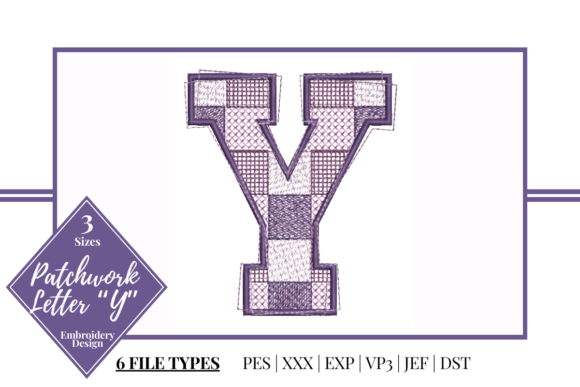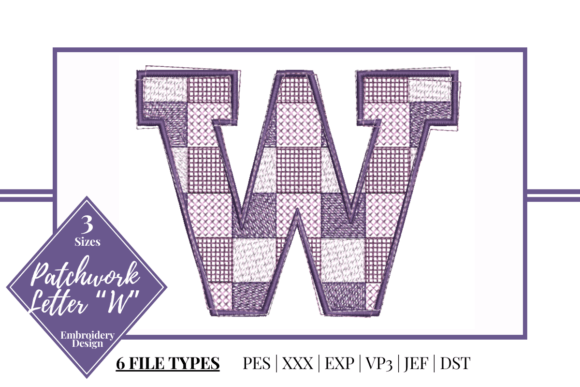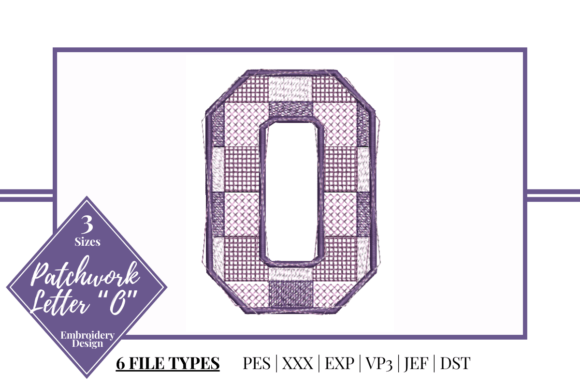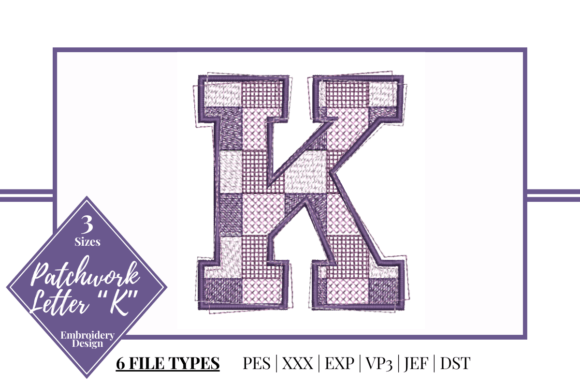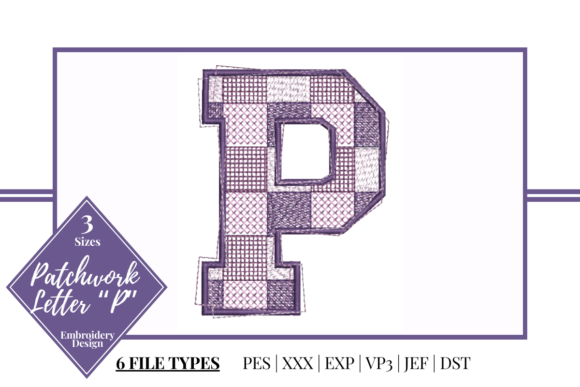
Patchwork Letter P: A Stylish Embroidery Design
In the world of textile customization, few elements strike a balance between rustic charm and modern utility quite like the Patchwork Letter P. This specific embroidery design transcends the limitations of standard block fonts by introducing texture, depth, and a sense of handcrafted history into digital machine embroidery. For creators, small business owners, and home decorators alike, this design offers a versatile solution for adding a personalized touch to a wide array of projects. Whether you are looking to brand a new line of tote bags or simply want to update a family heirloom quilt, understanding the nuances of this pattern can significantly elevate your final product.
The Artistic Appeal of a Patchwork Aesthetic
The core strength of the Patchwork Letter P Embroidery Design lies in its visual complexity. Unlike solid fill letters that can sometimes appear flat or generic on fabric, a patchwork style mimics the look of sewn-together fabric scraps. This creates an illusion of dimensionality that catches the light differently across the surface of the stitch. The design typically features internal lines and segmented areas that suggest different fabric textures, giving the letter a tactile quality even before it is touched.
From a professional standpoint, this aesthetic is particularly valuable because it bridges the gap between mass production and artisanal craft. It allows businesses to offer products that feel bespoke without the prohibitive labor costs of actual hand-stitching. The "quilted" look resonates deeply with audiences who value sustainability, heritage, and handmade goods, making it a strategic choice for brands targeting eco-conscious consumers or those interested in farmhouse and cottage-core trends.
Customization Through Thread Selection
One of the most practical advantages of using a machine embroidery design like the Patchwork Letter P is the flexibility it offers regarding color. While the file structure dictates the shape and stitch density, the visual outcome is entirely dependent on the thread colors you load into your machine. This opens up a vast spectrum of creative possibilities.
- Monochromatic Sophistication: By using varying shades of a single color—such as charcoal, slate, and black—you can create a subtle, tonal effect perfect for high-end apparel or corporate branding where understatement is key.
- Vibrant Contrasts: For children's wear or playful accessories, selecting clashing or highly saturated colors for the individual "patches" within the letter can create a fun, energetic vibe that stands out immediately.
- Seasonal Adaptability: You can adapt the same design file for different seasons by simply changing the thread palette. Think earthy oranges and browns for autumn, crisp whites and blues for winter, or pastels for spring collections.
This adaptability means that investing in one high-quality design file yields endless variations, maximizing the return on investment for both hobbyists and commercial embroiderers.
Practical Applications Across Industries
The utility of the Patchwork Letter P extends far beyond simple decoration. Its robust structure and engaging visual style make it suitable for diverse environments ranging from personal crafting rooms to large-scale manufacturing floors.
Home Decor and Lifestyle
For the home enthusiast, this design is a powerful tool for creating cohesive interior themes. Imagine a set of kitchen towels, each embroidered with a different letter of the alphabet in a patchwork style, spelling out "KITCHEN" or "FAMILY." The textured nature of the stitching adds warmth to linens, making them feel more inviting than their printed counterparts. It also works exceptionally well on throw pillows, table runners, and even denim jackets, allowing individuals to curate a space that feels uniquely theirs.
Fashion and Apparel Branding
In the fashion industry, personalization is a major driver of sales. Entrepreneurs selling custom streetwear or boutique clothing can use the Patchwork Letter P to create monograms for customers. Because the design has inherent visual weight, it holds up well on heavier fabrics like denim, canvas, and fleece. A small business owner might use this design to brand the back of a hoodie or the cuff of a sweatshirt, offering a level of detail that sets their product apart from competitors using standard vinyl transfers or basic embroidery.
Educational and Community Projects
Educators and community leaders often seek engaging ways to teach skills or celebrate achievements. The Patchwork Letter P serves as an excellent project for teaching students about typography, color theory, and textile arts. In a classroom setting, students can learn how to hoop fabric, load designs, and manage thread changes while creating meaningful items like name tags, book covers, or commemorative banners for school events. The process encourages patience and attention to detail, valuable soft skills for any age group.
Technical Considerations and File Compatibility
When implementing the Patchwork Letter P Embroidery Design, technical compatibility is a critical factor to consider. Modern embroidery machines vary widely in their capabilities, but a well-sourced design file should come in multiple formats to ensure broad usability. Look for packages that include standard industry formats such as .PES (Brother/Babylock), .DST (Tajima/Industrial), .JEF (Janome), and .EXP (Singer).
Having access to these various formats ensures that whether you are working with a compact domestic machine or a multi-head commercial unit, the design will translate correctly. This versatility reduces friction in the workflow, allowing professionals to scale their operations without worrying about file conversion errors that could ruin a batch of products.
However, users must also pay attention to the stitch count and stabilizer requirements. A patchwork design often involves more complex stitching paths than a simple outline, which may require a slightly longer run time. To achieve the best results, especially on stretchy or delicate fabrics, using the appropriate stabilizer is non-negotiable. A tear-away or cut-away stabilizer will prevent puckering and ensure that the intricate details of the patchwork segments remain sharp and defined.
Optimizing Your Workflow
To maximize efficiency, test the design on a scrap piece of the actual fabric you intend to use before committing to a full production run. This "test hoop" phase allows you to verify that the thread tension is correct and that the chosen colors interact as expected under your specific lighting conditions. Adjustments to speed or needle type may be necessary depending on the thickness of the material. By taking these practical steps, you ensure that the final output maintains the high standards associated with professional embroidery work.
Ultimately, the Patchwork Letter P is more than just a font; it is a design element that communicates care, creativity, and quality. Whether you are enhancing a personal wardrobe, launching a new product line, or decorating your living space, this embroidery design offers a reliable and stylish method to leave a lasting impression. Its ability to adapt to different threads, fabrics, and machines makes it a staple asset for anyone serious about textile customization.