Just a Girl Who Loves Books: Integrating a Signature Embroidery Design into Your Creative Workflow
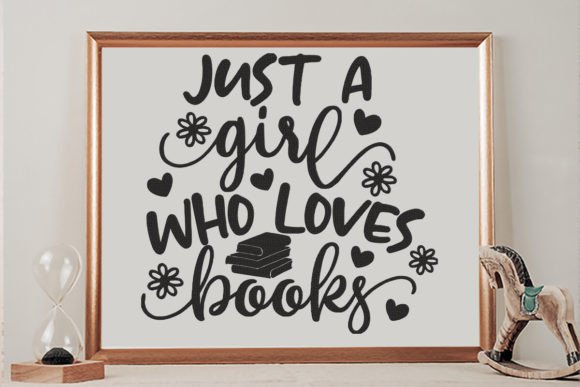
In the realm of small business ownership and creative entrepreneurship, establishing a distinct visual identity is often the difference between a hobby and a sustainable brand. For many makers, this identity is anchored in specific themes that resonate deeply with their target audience. The phrase Just a Girl Who Loves Books captures a specific demographic and emotional niche perfectly. When translated from a simple sentiment into a tangible Just a Girl Who Loves Books embroidery design, it becomes a versatile asset capable of driving sales, enhancing home decor projects, and streamlining production workflows for digital creators.
This article explores how to effectively integrate this specific machine embroidery design into your broader creative process. We will examine the technical requirements, workflow integration, and practical applications that allow you to maximize the value of this digital asset across various platforms and product lines.
Defining the Asset and Its Role in Product Development
The Just a Girl Who Loves Books embroidery design is more than just a pattern; it is a foundational element for product development strategies focused on book lovers, librarians, teachers, and reading enthusiasts. In a professional context, this design serves as a modular component within a larger manufacturing or crafting pipeline. Whether you are a freelancer creating custom gifts or a small business owner scaling a line of home goods, understanding where this design fits in your timeline is crucial for efficiency.
Before purchasing or downloading the file, it is essential to assess your current inventory of materials and your existing project queue. This design is particularly effective when paired with neutral fabrics like linen, cotton canvas, or terry cloth, which allow the stitching details to stand out without visual clutter. By planning the use of the Just a Girl Who Loves Books motif early in the design phase, you can ensure that your fabric choices, thread colors, and stabilizer selections align with the final aesthetic goals.
Strategic Planning and Pre-Production Preparation
Successful implementation begins with preparation. Before the needle even touches the fabric, you must evaluate the technical specifications of the file against your equipment. One of the primary advantages of this specific design is its availability in multiple embroidery file formats. This compatibility ensures that the asset can be utilized across different machines, from high-end industrial hoops to portable hobbyist units.
When preparing for production, consider the following workflow steps:
- File Verification: Confirm that the downloaded package includes formats compatible with your specific machine brand (e.g., PES, DST, JEF, VIP). Having the correct format prevents time-consuming conversion errors later in the process.
- Stabilizer Selection: Determine the appropriate backing based on the substrate. Towels require cut-away stabilizers to handle the texture and stretch, while pillows may benefit from tear-away options depending on the fabric density.
- Color Mapping: Plan your thread palette to match the mood of the "book lover" theme. Earth tones, soft pastels, or classic navy blues often complement the literary aesthetic better than neon or overly bright colors.
By addressing these logistical factors before starting, you reduce downtime and ensure a smoother transition from digital file to physical product. This pre-production discipline is what separates amateur crafters from professional creators who need to meet deadlines consistently.
Executing the Design Across Different Substrates
The versatility of the Just a Girl Who Loves Books design lies in its adaptability to various home decor items. Unlike complex designs that require large hoops or intricate layering, this motif is designed to be charming yet manageable, making it suitable for a wide range of applications. Understanding how to execute the stitch on different materials is key to maintaining quality control.
Towels and Textile Goods
Towels present a unique challenge due to their looped texture. When applying the Just a Girl Who Loves Books design to bath towels or kitchen hand towels, proper hooping is critical. You must avoid distorting the loops, which can lead to uneven stitching. A common technique involves using a water-soluble topping over the towel surface to prevent stitches from sinking into the pile. This ensures the text remains legible and the graphic elements retain their crisp edges.
Pillows and Home Decor
For pillows, the design offers an opportunity to create cohesive room themes. Imagine a reading nook featuring a throw pillow with the Just a Girl Who Loves Books motif stitched onto a linen cover. The execution here focuses on symmetry and placement. Centering the design requires precise measuring and marking before hooping. Additionally, if the pillow insert is thick, you may need to adjust the hoop tension or use a floating method to accommodate the bulk without compromising stitch density.
Apparel and Accessories
Beyond home decor, this design integrates well into apparel workflows. Tote bags, aprons, and even denim jackets can serve as canvases for this embroidery. When working with clothing, the movement of the fabric during stitching must be accounted for. Using a sticky stabilizer or a spray adhesive can keep the material taut, ensuring that the lettering does not warp. This attention to detail elevates the perceived value of the finished product, making it suitable for retail environments.
Workflow Integration and Efficiency Optimization
For professionals managing multiple orders or running a small business, efficiency is paramount. The Just a Girl Who Loves Books embroidery design is engineered to fit seamlessly into batch production workflows. Because the design comes with multiple file formats, you can standardize your digital library, reducing the time spent on file management and software compatibility issues.
Consider integrating this design into a recurring production schedule. For example, if you run a monthly "Book Lover's Bundle," having this design ready in your queue allows you to pivot quickly between other seasonal motifs. This flexibility is essential for entrepreneurs who need to respond to market trends or customer requests without disrupting their entire operation.
Quality Control and Consistency
Maintaining consistency across batches is a significant factor in building a reputable brand. When producing multiple items featuring the Just a Girl Who Loves Books design, establish a checklist for quality assurance. Inspect each piece for skipped stitches, thread breaks, or misaligned hooping. Since the design includes text, legibility is non-negotiable. Even minor shifts in the hoop can cause letters to appear crooked, diminishing the professional finish of the item.
Furthermore, document your settings for future reference. Record the stabilizer type, thread weight, and hoop size used for successful runs. This documentation creates a reliable standard operating procedure (SOP) that can be replicated by team members or reused months later, ensuring that every product meets the same high standard.
Long-Term Value and Brand Cohesion
From a strategic perspective, investing in high-quality digital assets like the Just a Girl Who Loves Books embroidery design contributes to long-term brand cohesion. It provides a recognizable signature that customers can associate with your work. Over time, this recognition builds trust and loyalty, encouraging repeat purchases and word-of-mouth referrals.
The design also interacts well with other marketing assets. High-resolution photos of the embroidered products can be used in social media campaigns, blog posts, and email newsletters. The visual appeal of the stitching, combined with the relatable message, creates content that resonates with the target audience of adults aged 20–50 who value literacy, creativity, and personalized home goods.
Moreover, the ability to use the design across multiple file formats future-proofs your investment. As technology evolves and new machine models are released, the likelihood of needing to convert files decreases. This reduces technical debt and allows you to focus on expanding your product line rather than troubleshooting software incompatibilities.
Conclusion: Seamless Implementation for Modern Creators
The Just a Girl Who Loves Books embroidery design represents a practical solution for creators looking to add charm and character to their textile projects. By approaching its implementation with a structured workflow—focusing on preparation, execution, and quality control—you can transform a simple digital file into a profitable and aesthetically pleasing product line.
Whether you are embellishing towels, crafting custom pillows, or developing a new collection of home decor, this design offers the flexibility and reliability needed for modern production environments. Its compatibility with various machines and formats ensures that it fits naturally into your existing tools and resources. Ultimately, integrating this design into your routine is about more than just stitching; it is about creating a consistent, high-quality experience that resonates with your audience and supports your professional growth.