Fava Applique Font: Elevate Your Embroidery
In the world of textile design, the right typeface can transform a simple piece of fabric into a statement of personal style. The Fava Applique Font stands out as a versatile tool for creators who demand both aesthetic appeal and technical reliability. This high-quality embroidery font is engineered to help you personalize your designs with precision, offering a sophisticated look that works seamlessly across various projects. Whether you are stitching a monogram on a luxury handkerchief or adding a commemorative date to a wedding guest towel, this font provides the structural integrity and visual flair needed to make your text pop.
The Unique Appeal of Fava Applique Design
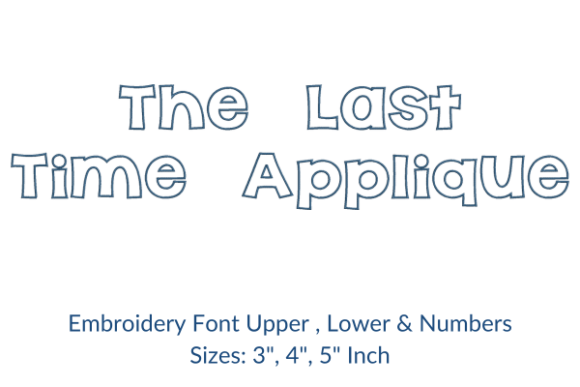
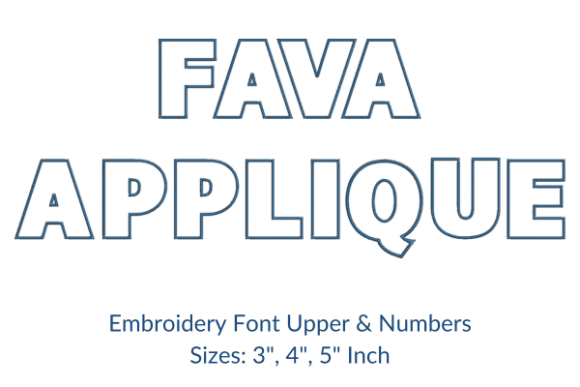
What makes the Fava Applique Font particularly interesting is its balance between decorative elegance and machine-readability. Unlike standard fill fonts that rely heavily on dense satin stitching, applique fonts utilize cutwork techniques where a base fabric is secured by a border stitch before being trimmed away. This method creates a dimensional effect that adds texture and depth to your work. The letterforms in the Fava collection are designed with smooth curves and consistent stroke widths, ensuring that even complex characters maintain their shape during the cutting process.
For designers and hobbyists alike, the ability to achieve a professional finish without hours of manual adjustment is invaluable. The font's architecture supports clean edges and minimal puckering, which are common challenges in digital embroidery. When you choose to use this embroidery font, you are selecting a design that respects the limitations of the medium while pushing its creative boundaries. It bridges the gap between digital file creation and tangible, tactile results, making it an essential asset for anyone serious about custom textile production.
Practical Applications for Personalized Textiles
The versatility of the Fava Applique Font extends far beyond simple name tags. Its robust structure allows for a wide range of applications, from small-scale accessories to large-scale home decor. One of the most popular uses is writing names and dates on heirloom items. Imagine a christening gown where the child's name is stitched in soft pastel thread using this font; the raised applique technique ensures the lettering remains legible and durable through years of washing and wear.
Beyond personal milestones, this font is excellent for creating custom quotes on apparel. T-shirts, tote bags, and denim jackets often suffer from flat, screen-printed aesthetics. By integrating the Fava Applique Font, you introduce a layer of craftsmanship that elevates the garment's perceived value. The contrast between the background fabric and the applique material creates a visual hierarchy that draws the eye immediately to the message. This approach is particularly effective for small business owners looking to create limited-edition merchandise that feels exclusive and handmade.
- Home Decor: Add personalized greetings to kitchen towels, napkins, or pillow covers to give your living space a curated feel.
- Event Branding: Use the font for bridal party robes, groomsmen ties, or corporate event swag to ensure consistency and quality.
- Gift Customization: Transform generic gifts into thoughtful presents by embroidering meaningful dates or short phrases on blankets or scarves.
Technical Flexibility Across Machines
A significant advantage of this machine embroidery design is its compatibility with multiple embroidery machines. In the industry, file format incompatibility can be a major bottleneck, halting production when a design cannot be read by a specific hoop size or brand. The Fava Applique Font comes packaged with multiple embroidery file formats, including widely accepted standards like .PES, .DST, .JEF, and .EXP. This ensures that whether you are using a Brother, Bernina, Janome, or Tajima machine, the design will translate accurately without requiring third-party conversion software that might alter stitch density or pathing.
This multi-format support is crucial for freelancers and small business owners who may operate a mixed fleet of machines or need to send files to external production partners. It eliminates the risk of distorted letters or skipped stitches caused by poor file conversion. Furthermore, the font is optimized for various stabilizer types, allowing users to adapt the design to different fabric weights. For lightweight linens, a tear-away stabilizer might suffice, while heavier canvas or denim may require a cut-away option to support the tension of the applique border.
Adapting the Font for Different Audiences
Creativity thrives on adaptation, and the Fava Applique Font offers ample room for customization to suit diverse audiences. Marketers and bloggers can use this font to create branded content that resonates with their followers' desire for authenticity. For example, a lifestyle blogger focusing on sustainable living could use organic cotton and natural dyes with this font to create a series of eco-friendly tote bags, reinforcing their brand message through both the product and the presentation.
Educators and craft instructors can also leverage this resource to teach students the fundamentals of digital embroidery. Because the font includes clear stitch paths and logical sequencing, it serves as an excellent teaching tool for demonstrating how applique works. Students can learn to manipulate the speed, thread color, and backing materials to see how these variables affect the final outcome. This hands-on experience fosters a deeper understanding of textile engineering and design principles.
Entrepreneurs should consider how this font can differentiate their products in a saturated market. While many competitors rely on basic print-on-demand services, offering embroidered goods with the dimensionality of the Fava Applique Font signals a commitment to quality. You can experiment with color blocking, using contrasting threads for the border versus the fill, or incorporating metallic threads for special occasions. These variations allow you to target niche markets, such as luxury gift buyers or boutique fashion enthusiasts, without needing to develop entirely new design assets from scratch.
Maintaining Consistency and Quality
To keep your results clear, effective, and organized, it is essential to follow best practices when working with applique fonts. Always test your design on a scrap piece of the same fabric you intend to use for the final project. This step allows you to adjust the hoop tension and stabilizer choice before committing to expensive materials. Pay close attention to the trimming points indicated in the file; precise cutting is what gives applique its crisp appearance. If the fabric is not trimmed cleanly, the finished lettering may look messy or uneven.
Consistency is key when producing multiple items. Ensure that your machine settings remain constant throughout the run, and check that your thread tension is balanced. Variations in tension can cause the applique border to pucker or the base fabric to shift, ruining the alignment of the letters. Additionally, organize your workflow by grouping similar projects together. This approach minimizes setup time and reduces the likelihood of errors when switching between different file formats or machine brands.
Ultimately, the Fava Applique Font is more than just a digital file; it is a gateway to expressing creativity through the timeless art of embroidery. By combining technical precision with artistic vision, you can create personalized designs that stand the test of time. Whether you are crafting a one-of-a-kind gift or building a line of custom apparel, this font provides the foundation for projects that are as functional as they are beautiful. Embrace the possibilities, experiment with textures and colors, and let your unique voice shine through every stitch.