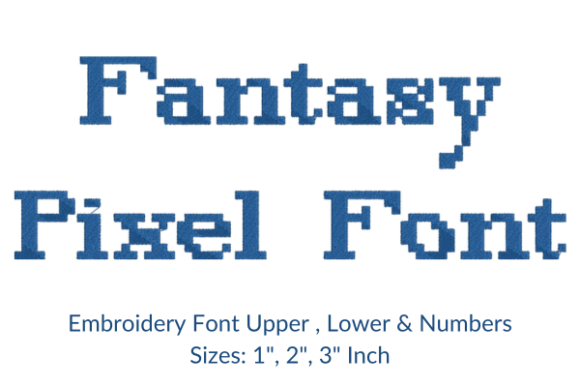
Fantasy Pixel Font: A Unique Embroidery Design for Personalized Textiles
In the world of textile customization, finding a font that bridges the gap between nostalgic charm and modern machine embroidery capabilities can be a significant challenge. Many crafters and designers struggle to find digital assets that translate well from screen to fabric without losing their distinct character. This is where Fantasy Pixel Font emerges as a transformative solution. Despite its retro, pixelated aesthetic, this is a high-quality embroidery font designed specifically to help you personalize your designs with precision and flair. Whether you are looking to add names, dates, or inspiring quotes to any fabric you wish, this design offers a versatile approach to text-based embellishment.
The Challenge of Digitizing Retro Aesthetics
One of the most common hurdles in machine embroidery is the digitization process itself. When a designer selects a standard typeface, the software often struggles to convert sharp angles and small details into stitch paths that lay flat on fabric. This issue is compounded when attempting to use "pixel" or "8-bit" style fonts. Traditionally, these fonts rely on solid blocks of color that do not naturally align with the directional flow of satin or fill stitches required by embroidery machines. The result is often jagged edges, excessive thread consumption, or designs that pucker the underlying material.
Furthermore, hobbyists and professionals alike face the difficulty of scaling text. A font that looks perfect at 3 inches may become unreadable or structurally unsound when resized to fit a hat brim or a large tote bag. Users often need a resource that maintains its integrity across various sizes while ensuring that the final product looks professional rather than amateurish. The goal is not just to have text on fabric, but to have text that enhances the overall aesthetic of the garment or item without compromising the structural quality of the stitching.
How Fantasy Pixel Font Solves These Problems
Fantasy Pixel Font addresses these specific pain points by offering a pre-digitized, optimized design file structure. Unlike generic clip art that requires manual conversion, this embroidery font comes ready for immediate use. It has been engineered to mimic the look of classic video game typography while utilizing stitch types that ensure durability and smoothness. The design intelligently manages stitch density and direction, preventing the common issues of thread bunching or fabric distortion that plague poorly converted retro fonts.
The versatility of Fantasy Pixel Font lies in its ability to adapt to different fabric weights. Whether you are working with heavy denim, delicate silk, or sturdy canvas, the underlying stitch patterns are balanced to provide coverage without overwhelming the material. This makes it an ideal choice for users who want to experiment with different textures but lack the advanced digitizing skills to adjust parameters manually. By providing a robust foundation, the font allows creators to focus on the creative aspects of their project rather than troubleshooting technical errors.
Practical Applications and Creative Outcomes
The utility of this embroidery design extends far beyond simple labeling. Because of its distinctive visual style, Fantasy Pixel Font opens up a wide range of creative applications for both personal projects and commercial ventures. Here are several ways this font can elevate your textile work:
- Personalized Apparel: Add a unique touch to hoodies, t-shirts, and jackets. The blocky, pixelated style pairs exceptionally well with gaming-themed clothing, streetwear, and casual everyday wear. You can easily write names or nicknames on the back of a jacket or place a short quote on the chest area.
- Event Memorabilia: For birthdays, anniversaries, or wedding parties, this font offers a fun alternative to traditional calligraphy. Imagine embroidering the date of a special event or the names of guests on napkins, table runners, or commemorative pillows. The playful nature of the font adds a whimsical element to formal events.
- Home Decor Accents: Incorporate the design into throw pillows, wall hangings, or cushion covers. Short quotes or single words like "Adventure," "Level Up," or "Home" look striking when rendered in this style, adding a pop of personality to living spaces.
- Accessories and Gifts: Small items like keychains, coin purses, and hair scrunchies benefit from the compact nature of pixel fonts. Since the design is scalable, you can create intricate monograms or initials that remain legible even on smaller surfaces.
Technical Flexibility and Machine Compatibility
A critical aspect of any digital embroidery asset is its compatibility with existing hardware. One of the standout features of Fantasy Pixel Font is that this machine embroidery design comes with multiple embroidery file formats. In the industry, different brands of embroidery machines require specific proprietary formats. Common formats include .PES for Brother machines, .DST for Tajima and industrial units, .JEF for Janome, and .EXP for Husqvarna Viking.
By providing a comprehensive package of file types, this font ensures that you can use it with multiple embroidery machines without the need for costly third-party conversion software. This eliminates a major barrier to entry for new users who might be intimidated by file format incompatibilities. It also streamlines the workflow for professionals who operate mixed fleets of machines, allowing them to switch between devices seamlessly while maintaining consistent design quality.
Strategies for Different User Types
Different users will approach the implementation of Fantasy Pixel Font based on their specific goals and skill levels. Understanding these varied approaches can help maximize the potential of the design.
The Hobbyist Crafter
For the home sewer or weekend crafter, the primary goal is ease of use and satisfaction. These users benefit from the plug-and-play nature of the font. They can download the files, load them onto their USB drive, and immediately begin stitching names on family gifts. The clear, bold lines of the pixel font make it forgiving for those who may not have perfect hooping tension or advanced fabric stabilization techniques. Recommendations for this group include using stabilizers appropriate for the fabric weight to ensure the crisp edges of the pixels remain defined.
The Small Business Owner
Entrepreneurs running Etsy shops or local custom apparel businesses view Fantasy Pixel Font as a tool for differentiation. In a market saturated with cursive scripts and standard sans-serifs, the retro pixel look offers a niche appeal. These users should focus on creating cohesive collections. For example, pairing the font with other retro-inspired graphics can create a branded line of products. Consistency is key; therefore, business owners should test the font on various fabrics before mass production to ensure the stitch count and time per unit remain efficient for profitability.
The Professional Designer
Professional digitizers and high-end fashion designers may use this font as a base layer for more complex compositions. They might combine the pixel text with appliqué, beadwork, or other embroidery styles to create hybrid designs. The structured nature of the font provides a geometric anchor that balances out softer, organic elements in a larger composition. Professionals should consider the thread color palette carefully; metallic threads or variegated floss can enhance the "glitch" effect inherent in pixel art, adding depth and dimension to the final piece.
Considerations for Successful Implementation
To achieve the best results with Fantasy Pixel Font, there are a few practical considerations to keep in mind. First, always perform a test run on a scrap piece of the same fabric you intend to use. This allows you to check for puckering and verify that the stitch density is correct for your specific machine settings. Second, pay attention to thread selection. While the font works with standard polyester or rayon threads, using a slightly thicker thread can sometimes enhance the blocky definition of the pixels, making them stand out more against textured fabrics.
Finally, consider the placement of your text. Because pixel fonts have a distinct rhythm, they often look best when centered or aligned in a way that emphasizes their geometric structure. Avoid placing the design in areas of high stretch or movement if the fabric is very elastic, as this can distort the square shapes over time. With proper planning and execution, Fantasy Pixel Font becomes more than just a text option; it becomes a signature element that brings creativity and nostalgia to life on any fabric you wish.